The Best Teething Toys for Puppies Who Will Grow Into Power Chewers
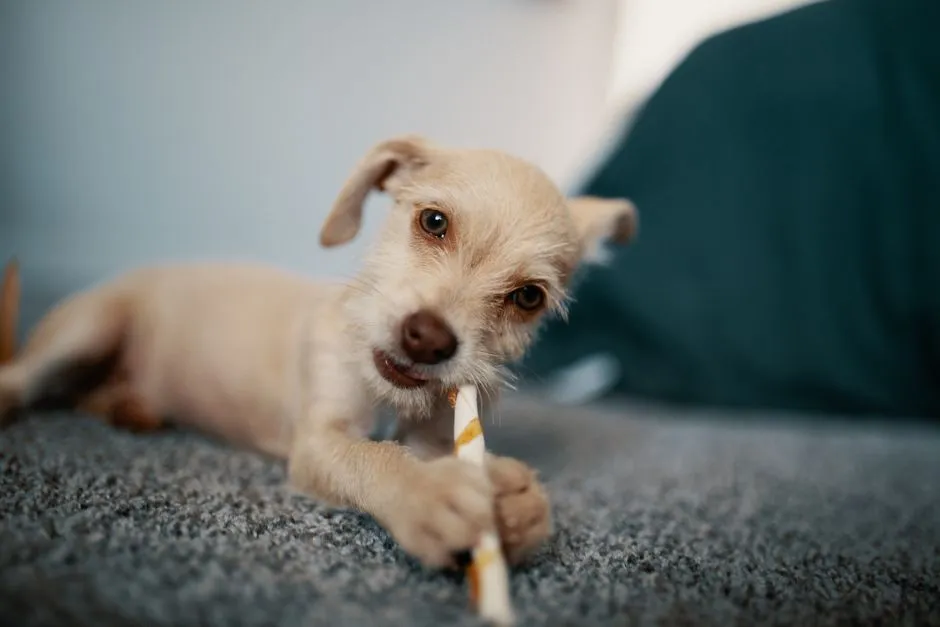
Our Top Teething Picks at a Glance
If your puppy comes from a breed or line that produces serious adult chewers — pit bulls, shepherds, Labs, Malinois, or any large working breed — the teething phase is where good chewing habits get built. The right teething toy has to do two jobs at once: soothe sore gums now, and teach your puppy that toys, not table legs, are what jaws are for.
Here's the short version of where we land:
- Best all-around teething toy: a puppy-specific soft rubber toy like the Kong Puppy — stuffable, freezable, and forgiving on baby teeth
- Best for gum relief: a freezable rubber teething ring or chilled toy that puts cold directly on the gums
- Best flavored option: a puppy-line nylon or nylon-alternative chew (Nylabone Puppy or Benebone Puppy lines), used with supervision and the hardness caution below
- Best budget option: a rope toy sized well above your puppy's mouth, or a frozen wet washcloth for acute teething days
- Best for future power chewers: a soft-rubber toy from a brand with a graduated adult line, so you can step up in durability as the adult teeth come in
One thing we say on every page of this site, and it goes double for puppies: no toy is indestructible, and nothing on this list should be left with an unsupervised puppy for hours. Teething puppies are learning to use their jaws, and part of your job is watching how they do it.
How We Judge Teething Toys
Puppy toys get a different rubric than the adult gear we cover in our best indestructible dog toys roundup. Durability still matters, but it moves down the list. For teething toys, we evaluate:
- Softness relative to baby teeth. Deciduous teeth are thinner and more fragile than adult teeth, and the adult teeth erupting behind them are surrounded by tender gum tissue. A teething toy should give under jaw pressure. The rule of thumb many veterinarians cite for any chew: if you can't dent it with a fingernail, it's too hard for teeth — and for puppies we'd apply that rule strictly.
- Cold-holding ability. Cold numbs inflamed gums. Toys that can be soaked or stuffed and frozen earn real points during the worst weeks.
- Texture variety. Nubs, ridges, and varied surfaces massage gums and keep a bored puppy interested longer than a smooth surface does.
- Size safety. A toy a puppy can fit entirely in its mouth is a choking hazard, full stop. Sizing is the single most common mistake owners make, which is why we wrote a full dog toy sizing guide.
- How it fails. Every toy eventually loses. Good teething toys wear down gradually rather than shedding chunks a puppy can swallow.
The Picks in Detail
Soft Rubber Stuffables: The Workhorse Choice
Puppy-specific rubber toys — the Kong Puppy is the best-known example, and West Paw makes soft-durometer rubber options as well — use a softer rubber compound than the adult versions, designed to be gentle on baby teeth while still standing up to real chewing.
Why they win: versatility. You can give the toy as-is, stuff it with softened puppy kibble or plain wet food, or stuff and freeze it. A frozen stuffed rubber toy combines gum-numbing cold with a licking-and-chewing project that can occupy a teething puppy for a genuinely useful stretch of time. Rubber of this type also tends to fail gracefully — it wears and roughens rather than cracking into shards.
Worth knowing: soft puppy rubber is not built for an adolescent with adult teeth. Puppies who are ahead of the durability curve can start gouging pieces out of a puppy-formula toy by five or six months, and at that point it's time to step up to the adult version, not to keep replacing the soft one. Check the toy weekly and retire it when chunks start coming loose — our guide on when to replace dog toys covers the specific damage signs.
Freezable Teething Rings: Targeted Gum Relief
Several manufacturers make rubber or TPR (thermoplastic rubber) teething rings and sticks designed to be chilled or frozen, often with water-filled or gel-filled channels. Petstages, Nylabone's puppy line, and various soft-rubber brands all play in this space.
Why they win: direct cold on the gums is the closest thing to actual relief a teething toy can offer. The ring shape also lets a puppy get the toy to the back of the mouth, where the premolars and molars erupt — usually the sorest spot.
Worth knowing: water- and gel-filled toys are the least durable option on this list by design. Once a puppy punctures the outer shell, the toy is done — retire it immediately rather than letting the puppy work at the hole. These are short-service-life toys, and that's an acceptable trade for what they do. Buy them expecting to replace them.
Flavored Puppy Chews: Nylon and Nylon-Alternatives
Benebone and Nylabone both make puppy-specific versions of their flavored chews, formulated softer than their adult products. For a puppy who's motivated by flavor more than texture, these can redirect a lot of chewing that would otherwise land on your furniture.
Why they win: flavor infusion gives a puppy a reason to choose the toy over your shoes, and the harder-than-rubber surface satisfies puppies who want real resistance to gnaw against.
Worth knowing: this is the category where the fingernail rule matters most. Even "puppy formula" nylon-type chews sit at the firm end of what we'd offer a teething mouth, and adult versions of these chews are too hard for puppies, period — don't substitute. These chews also wear into a roughened surface, and the intended use is that the dog shaves off rice-grain-sized particles; larger pieces coming loose means the chew is done. Supervise, and when in doubt about your individual puppy's teeth, ask your vet before offering firm chews.
Rope Toys and the Frozen Washcloth: Budget Relief That Works
A simple cotton rope toy — sized generously, always — gives a flossing-like texture that many teething puppies love, and it can be soaked in water or low-sodium broth and frozen. The old breeder standby, a clean wet washcloth knotted and frozen, does the same job for pennies.
Why they win: cost and cold. On the worst teething days, having two or three frozen options to rotate matters more than owning one premium toy.
Worth knowing: rope and fabric are the most supervision-dependent option here. Puppies that shift from chewing rope to shredding and swallowing strands need these taken away — ingested strands are a genuine veterinary emergency risk. Rope toys are session toys, not crate toys: bring them out, play, put them away. Frayed ropes get thrown out, not trimmed.
Comparison Table
| Toy type | Material | Gum relief | Durability for the phase | Freezable | Supervision level |
|---|---|---|---|---|---|
| Soft rubber stuffable (e.g., Kong Puppy) | Soft natural rubber | Good, excellent when frozen stuffed | Best in class for teething | Yes (stuffed) | Moderate |
| Freezable teething ring | TPR / gel- or water-filled rubber | Best in class | Low — short service life by design | Yes (designed for it) | Moderate-high |
| Flavored puppy chew (Benebone/Nylabone puppy lines) | Softened nylon / nylon-alternative | Moderate | Good | No | High — apply the fingernail rule |
| Rope toy / frozen washcloth | Cotton fiber | Good when frozen | Low | Yes | Highest — session use only |
The Teething Timeline, Briefly
Most puppies begin losing baby teeth around 12 to 16 weeks and have their full set of adult teeth by roughly 6 to 7 months. The peak discomfort — and peak destruction — usually lands in the middle of that window, when molars and premolars are erupting. Expect increased chewing drive, occasional spots of blood on toys (normal in small amounts), and found baby teeth around the house (also normal; most are swallowed harmlessly).
What's not normal: a retained baby tooth sitting alongside an erupted adult tooth, refusal to eat, or a puppy pawing at its mouth persistently. Those are vet visits, not toy problems.
Safety Rules That Outrank Every Pick
These apply no matter which toy you choose:
- Size up, always. If the toy fits entirely behind the canine teeth, it's too small. Puppies grow fast — re-check sizing monthly, and see our sizing guide for the specifics.
- Apply the fingernail test to anything firm. Can't dent it with a thumbnail? Don't give it to a teething puppy. That includes antlers, hooves, bones, and hard adult nylon chews.
- Supervise, especially early. You're learning how your puppy chews — nibbler, gnawer, or destroyer — and that knowledge determines every toy purchase you'll make for the next decade.
- Inspect and retire. Weekly checks minimum. Cracks, loose chunks, exposed squeakers, punctured shells, or fraying rope mean the toy comes out of rotation that day.
- Rotate a small set. Three or four toys in rotation, with one or two always in the freezer, beats a basket of twenty. Novelty keeps toys interesting, and scarcity keeps them valuable.
Planning for the Power Chewer to Come
If you're reading this site, you probably suspect your puppy is going to graduate into a serious chewer. Plan the handoff deliberately: as adult teeth finish coming in around 6 to 7 months, teething toys have done their job, and continuing to offer soft puppy rubber to a maturing power chewer just teaches them that toys are destructible.
The cleanest path is to buy from brands with graduated lines — puppy formula now, standard next, extreme formulations once the adult jaw shows up — so the shapes and habits stay familiar while the material steps up. When you're ready for that transition, our best indestructible dog toys roundup is the place to start.
Solid puppy teething toys typically run about $8 to $25 depending on size and brand, with prices varying by retailer — inexpensive enough that building a small freezer rotation won't hurt. Spend the savings on the adult gear later; that's where durability really starts costing money.